Understanding Quantum Computing: A Realistic Guide to Current Capabilities and Limitations
Introduction to Quantum Computing in 2024
Quantum computing has captured the public imagination, but understanding what these machines can actually do today requires separating hype from reality. As of 2024, we are firmly in the Noisy Intermediate-Scale Quantum (NISQ) era, where quantum computers have 50-1000 qubits but suffer from significant noise and limited coherence times.
What Quantum Computers Actually Are
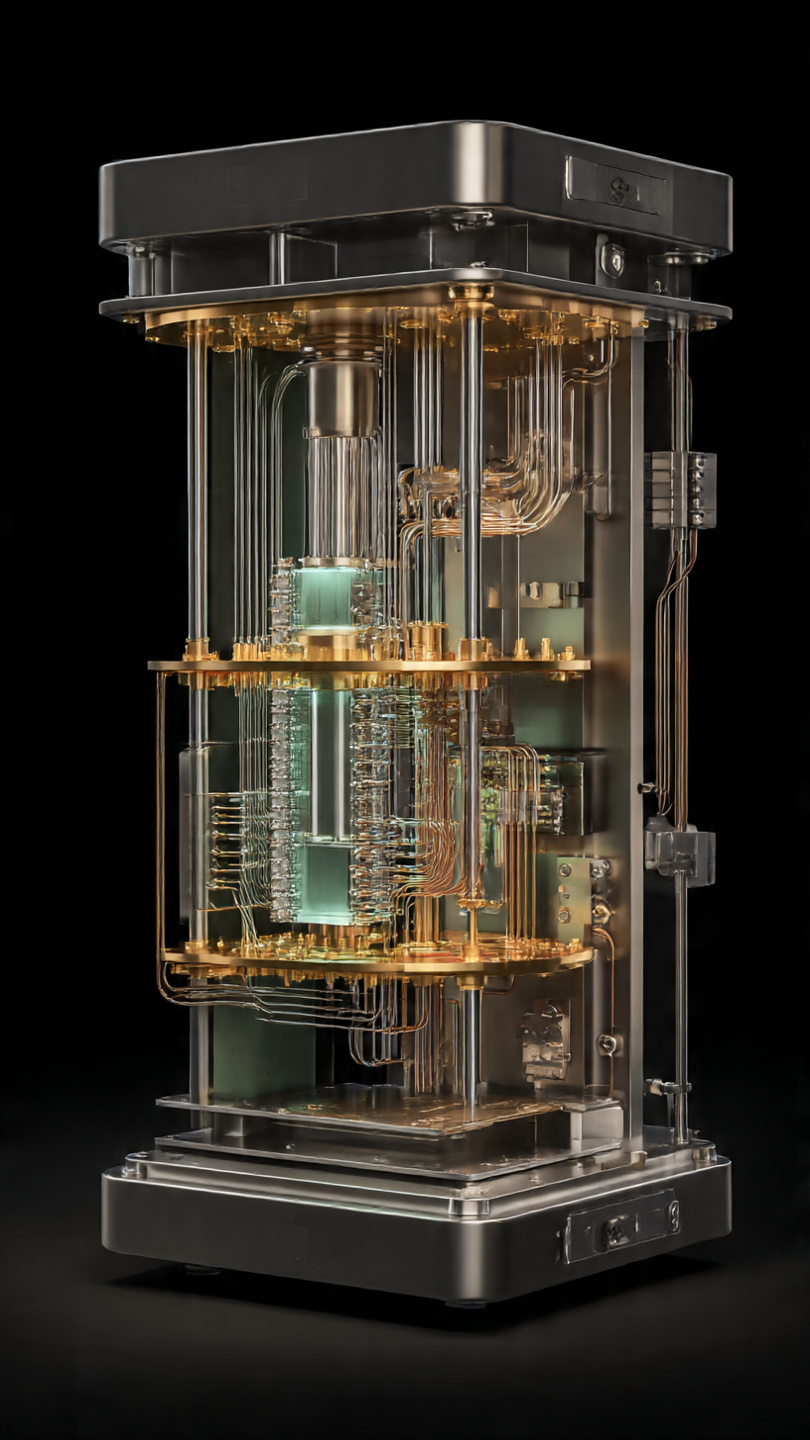
Quantum computers are fundamentally different from classical computers. While classical computers use bits that can be either 0 or 1, quantum computers use quantum bits (qubits) that can exist in superposition states. This allows them to process information in ways that classical computers cannot, but only for specific types of problems.
Current Hardware Limitations
Today's quantum computers face several critical limitations:
- Coherence Times: Quantum states typically last only microseconds to milliseconds before decohering
- Error Rates: Current quantum gates have error rates of 0.1-1%, making complex algorithms impractical
- Connectivity: Not all qubits can interact directly with each other
- Scalability: Adding more qubits increases noise and complexity exponentially
What Quantum Computers Can Do Today
Despite limitations, NISQ computers can perform useful tasks:
- Quantum Simulation: Modeling quantum systems for chemistry and materials science
- Optimization Problems: Certain combinatorial optimization problems show quantum advantage
- Quantum Machine Learning: Some algorithms show promise for specific applications
- Research and Education: Valuable tools for understanding quantum mechanics
What Quantum Computers Cannot Do (Yet)
Many popular claims about quantum computing are premature:
- Break RSA Encryption: Requires millions of qubits with very low error rates
- Replace Classical Computers: Quantum computers are not general-purpose machines
- Solve NP-Complete Problems: No evidence that quantum computers can solve these efficiently
- Instant Communication: Quantum entanglement cannot transmit information faster than light
Recent Breakthroughs in 2024
Several significant developments have occurred in 2024:
- Microsoft's Logical Qubits: Achieved 800x better error rates using logical qubits
- IBM's Roadmap: Continued progress toward 1000+ qubit systems
- Google's Quantum AI: Advances in quantum error correction and algorithms
- Academic Research: New insights into quantum advantage and limitations
Realistic Timeline for Practical Applications
Based on current progress, realistic timelines include:
- 5-10 years: Specialized quantum applications in chemistry and optimization
- 10-20 years: Fault-tolerant quantum computers for cryptography
- 20+ years: General-purpose quantum computing (if ever)
How to Get Started with Quantum Computing
For those interested in quantum computing:
- Learn the Basics: Start with quantum mechanics and linear algebra
- Use Cloud Platforms: IBM Quantum, Google Quantum AI, and others offer free access
- Study Algorithms: Focus on VQE, QAOA, and other NISQ algorithms
- Join Communities: Engage with quantum computing researchers and developers
Conclusion
Quantum computing is a fascinating and rapidly evolving field, but it's important to maintain realistic expectations. While significant progress has been made, we are still far from the quantum computers portrayed in popular media. The key is to understand both the potential and the limitations of current technology.



💬 Comments (0)
Share your thoughts and join the discussion
Please log in or register to leave a comment.
No comments yet. Be the first to share your thoughts!