Microsoft Majorana 1: A Breakthrough in Topological Quantum Computing Hardware
Introduction to Majorana 1
In February 2025, Microsoft announced Majorana 1, a groundbreaking hardware device that represents the company's first quantum computing chip designed for potential use in topological quantum computing. This indium arsenide-aluminum hybrid device operates at low temperatures and demonstrates superconductivity, with Microsoft claiming it shows signals of hosting boundary Majorana zero modes - exotic quantum particles that could form the basis for robust topological qubits.
What is Majorana 1?
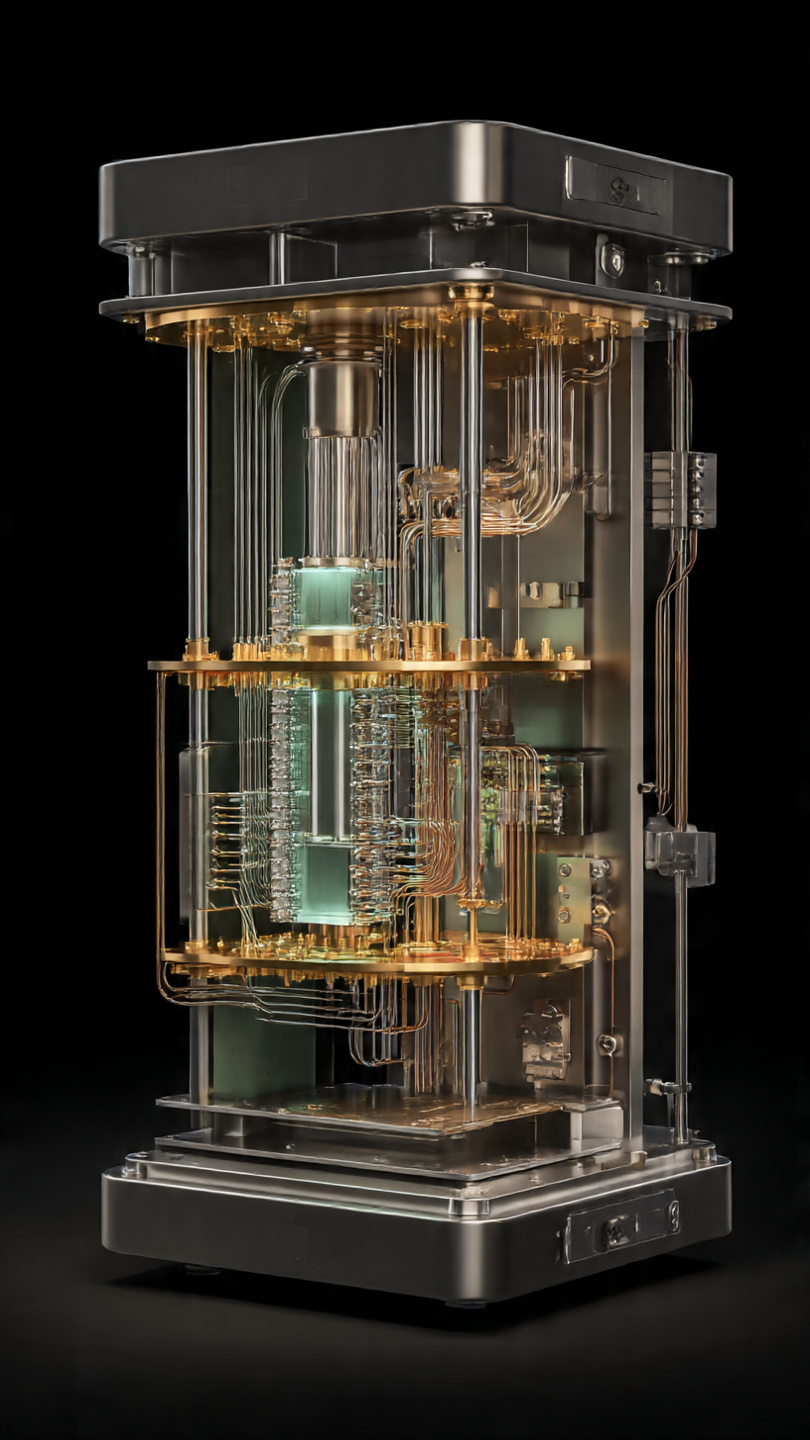
Majorana 1 is a quantum computing chip that can accommodate up to eight qubits. The device is constructed from an indium arsenide-aluminum hybrid material system that exhibits superconductivity at cryogenic temperatures. Microsoft's research team has developed this device as part of their long-running project to create a quantum computer based on topological qubits, which theoretically offer superior error resistance compared to traditional qubit implementations.
The device represents Microsoft's approach to solving one of quantum computing's greatest challenges: building qubits that are inherently protected from environmental noise and decoherence. If Majorana zero modes can be definitively confirmed and controlled, they could enable the creation of topological qubits that are naturally fault-tolerant, a critical requirement for building large-scale, practical quantum computers.
The Promise of Topological Qubits
Topological qubits were first theorized in 1997 by Alexei Kitaev and Michael Freedman. Unlike conventional qubits that are highly susceptible to environmental disturbances, topological qubits encode quantum information in a way that is inherently protected by the topological properties of the system. This protection makes them resistant to local perturbations, potentially eliminating the need for extensive quantum error correction overhead.
Microsoft's approach to topological quantum computing is based on Majorana fermions - particles that are their own antiparticles - in semiconductor-superconductor heterostructures. These Majorana zero modes, if successfully created and manipulated, could serve as the building blocks for topological qubits that maintain their quantum state much longer than current qubit technologies.
Why Topological Qubits Matter
Technical Specifications and Architecture
The Majorana 1 device is built using an indium arsenide (InAs) and aluminum (Al) hybrid material system. This combination creates a topological superconductor when cooled to extremely low temperatures. The device architecture allows for interferometric single-shot parity measurement, which is a critical capability for reading out the quantum state of potential Majorana zero modes.
Key Technical Features
According to Microsoft's published research in Nature, the device demonstrates a method for radio-frequency (rf) parity readout within a complicated loop geometry. This readout technique is essential for detecting and manipulating Majorana zero modes, though the current measurements do not definitively prove that the observed low-energy states are topological in nature.
The Scientific Controversy
Microsoft's announcement has generated both excitement and skepticism within the quantum computing community. The primary challenge lies in distinguishing between Majorana zero modes and Andreev modes - two types of quantum states that can exist in similar device configurations but have fundamentally different properties.
Majorana vs. Andreev Modes
Majorana modes are topological and could potentially be used for making a topological quantum computer. Andreev modes, on the other hand, are topologically trivial and are not directly useful for quantum computing applications. The current results from Majorana 1 are consistent with both possibilities, meaning the device could contain either type of mode, or potentially a combination of both.
This ambiguity is not new to Microsoft's quantum computing research. In 2018, the company had to retract a high-profile Nature paper that claimed conclusive evidence of Majorana zero modes, but the data was later shown to be entirely consistent with Andreev modes instead. The difficulty in definitively identifying Majorana modes remains one of the field's most significant challenges.
Microsoft's Claims and Scientific Reality
In their February 2025 press releases, Microsoft made several bold claims about Majorana 1. However, these claims have been met with scrutiny from the scientific community:
The scientific community has noted that while Microsoft's device architecture is innovative, the evidence for Majorana zero modes remains inconclusive. Peer reviewers of the Nature paper were split, with two expressing reservations and two offering conditional support. The journal ultimately published the paper based on the innovative device architecture rather than definitive evidence for Majorana modes.
Topoconductors: Microsoft's New Material Class
Microsoft introduced the term topoconductor to describe the material system used in Majorana 1. According to Microsoft, topoconductors are a class of materials that enable topological superconductivity. These materials, made from indium arsenide and aluminum, are theorized to allow for the creation and manipulation of Majorana zero modes.
Topological superconductors are characterized by their unique electronic band structure, which gives rise to topologically protected surface states. These surface states are robust against disorder and imperfections, making them ideal candidates for hosting Majorana zero modes. Microsoft's internal whitepapers outline a topoconductor-based architecture that facilitates braiding processes - key operations for error-resistant qubit logic.
Braiding and Topological Operations
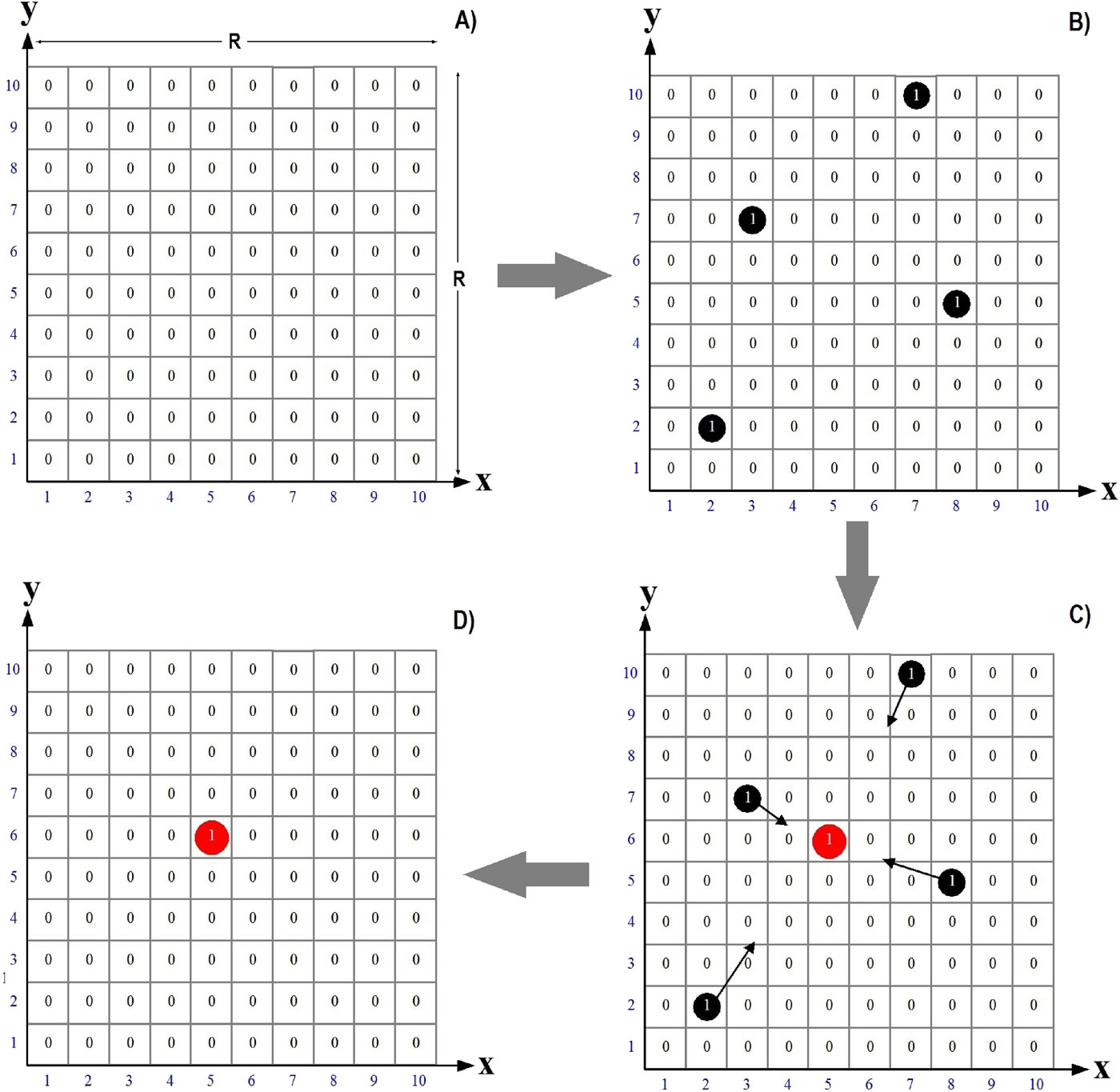
Braiding involves exchanging the positions of Majorana zero modes in a controlled manner, which can be used to perform quantum computations. This process is inherently fault-tolerant because the topological protection of the Majorana modes makes them resistant to local disturbances. The ability to perform braiding operations is essential for realizing the full potential of topological quantum computing.
How Braiding Works
Microsoft's roadmap suggests that if Majorana zero modes can be definitively created and controlled, the next steps would involve demonstrating braiding operations and eventually building arrays of topological qubits that could perform useful quantum computations.
Current Status and Future Prospects
As of February 2025, Majorana 1 represents a significant step forward in Microsoft's quantum computing program, but many questions remain unanswered. The device demonstrates innovative engineering and measurement techniques, but definitive proof of Majorana zero modes has not yet been achieved.
The quantum computing community continues to watch Microsoft's progress with interest, as topological qubits could potentially solve many of the error correction challenges that plague current quantum computing approaches. However, the field has learned to be cautious after previous claims that did not hold up under scrutiny.
Implications for Quantum Computing
If Microsoft can successfully demonstrate and control Majorana zero modes, it would represent a major breakthrough in quantum computing hardware. Topological qubits could potentially reduce the overhead required for quantum error correction, enable longer coherence times for quantum information, simplify the path to building large-scale quantum computers, and provide a more robust foundation for practical quantum applications.
However, the path forward remains uncertain. The difficulty in definitively identifying Majorana modes, combined with the technical challenges of creating and manipulating them, means that significant research and development work lies ahead before topological quantum computing becomes a reality.
Conclusion
Microsoft's Majorana 1 device represents an important milestone in the quest for topological quantum computing. While the company's claims have generated excitement, the scientific evidence remains inconclusive. The device demonstrates innovative engineering and measurement capabilities, but definitive proof of Majorana zero modes, and their utility for quantum computing, has yet to be established.


💬 Comments (0)
Share your thoughts and join the discussion
Please log in or register to leave a comment.
No comments yet. Be the first to share your thoughts!